Immediately stop ERWAT releasing effluent containing illegal levels of Phosphorus into the catchment area of Rietvlei Nature Reserve and Dam.
P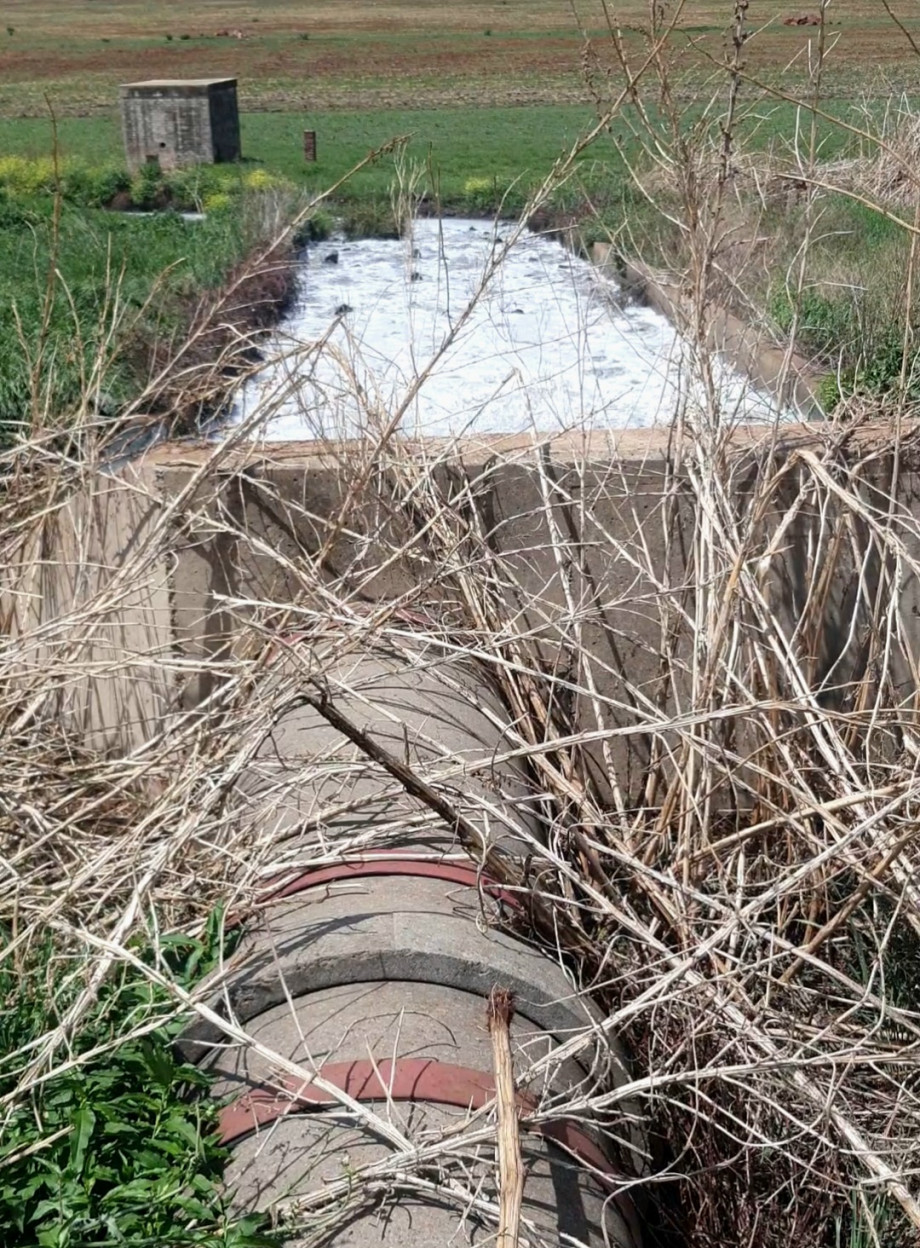 Pollution of the water of Rietvlei Nature Reserve (RNR) and of Rietvlei Dam, is not a new phenomenon. It has been happening for years and a lot have been written about it. The latest paper, published on 29 October 2025, “Preliminary report on the water quality of Rietvlei Nature Reserve (Gauteng)”, by Dr Michael van der Laan of the Agricultural Research Council and Pfunzo Tshilume of the University of Pretoria, is the most condemning of all. According to this paper there have been reports of significant reductions in bird species and numbers, and the water smells especially foul. “This is a major concern as the reserve is well known for its high levels of biodiversity, is an important eco-tourism destination, and the dam provides Tshwane with drinking water.” The paper continues to say that in September and October 2025 the Phosphorus levels recorded in the Riet river (just upstream from RNR), were almost three times higher than the legal discharge limit and about 13 times greater than the concentration known to trigger severe eutrophication, which can lead to major biodiversity loss.
Marais Dam is a sludge dam in the Rietvlei river, within the boundaries of RNR and the first receiver of contaminated effluent in the RNR. It is fenced off and visitors can get out of their vehicles and have a picnic at the picnic site. In the last few months the dam is stinking so much that no one in his/her right mind will endure the stench and expose their family members to the potential health hazards it poses.
At Otter Bridge, one of the main attractions in RNR, the bulges of white foam and the stench, are indicators that an environmental disaster has quietly engulfed the Reserve.
Two of the fountains within RNR, which have been providing drinking water to Pretoria since the 1940’s, have been decommissioned because of the contamination of their water.
The Rietvlei Water Purification Plant, also in operation since the 1940’s, has recently been shut down, because it is not economically viable to purify the quality of water currently entering Rietvlei Dam.
The above-mentioned paper mentions that dead fish surfaced at Rietvlei dam on 23 October 2025. On 01 November 2025, dead fish again came to the surface at the Rietvlei Yacht club and continuously thereafter.
According to the above-mentioned paper, “High phosphorus pollution indicates sewage and/or fertiliser pollution of water. Due to the location of Rietvlei Dam, untreated or only partially treated sewage is expected to be the main contributor of phosphorus pollution from the upstream Ekurhuleni region.”
An environmental disaster has unfolded at RNR and Rietvlei Dam during the second half of 2025. It is a disaster for the City of Tshwane as a whole. Something must be done, urgently! Let’s not wait until it impacts the lives of Tshwane’s residents.
A sample taken of the effluent that ERWAT Hartbeestfontein deposited into the Rietspruit on 13 November 2025, contained millions of E.coli cfu per 100ml (too numerous to count).
Although the situation at Rietvlei and Marais dams look better lately, it is because of the good rains in the catchment area and not because anything has changed regarding what ERWAT lets out into the Rietspruit. This has been confirmed by the author during a follow-up visit on 06 February 2026 (video's have been taken).
We urge the Ekurhuleni City Council and ERWAT Hartbeesfontein to urgently stop the pollution of water destined for RNR and Rietvlei Dam.
Jaco Geyser Contact the author of the petition